
Discover Michi-no-Eki
Information
From Roadside Stations to Unexplored Japan
When traveling around Japan, you will encounter facilities called 'Michi-no-Eki' or roadside stations along the roads.
Although they are named 'stations', they are not railway stations.
Roadside stations were institutionalized in Japan in 1993 as rest facilities along the roads where anyone can stop by freely and safely.
The basics include 'resting functions' such as parking lots and toilets available for free 24 hours, 'information dissemination functions' that provide tourism information about roads and regions, and 'regional collaboration functions' that connect local people, industries, and tourism.

Over 30 years since their inception, roadside stations have developed with unique characteristics through the creativity of local communities.
Now, they are not just places to rest.
They connect travelers with the local food, culture, tourism, industries, and people, and sometimes the roadside station itself becomes a destination for travel. Furthermore, their role has expanded to serve as a base for extending travel to surrounding areas.
A Place Where Local 'Deliciousness' Gathers
When you visit a roadside station, be sure to walk around the sales area.
You can encounter various local products such as seasonal vegetables and fruits grown by nearby farmers, seafood caught at local fishing ports, meat and dairy products made in the region, processed foods like miso, soy sauce, and pickles, snacks, sake, and crafts unique to that area.
In restaurants and food corners, you can also enjoy local dishes and gourmet foods made with local ingredients.
As you look at the items displayed for sale, you gradually get a sense of what is produced in the region, what local people eat, and what kind of lives they lead.
Japan stretches long from north to south, with climates and terrains varying greatly from sea, mountains, plains, snowy regions, to warm areas. The agricultural products that grow there and the inherited dishes and cultures are also different.
That is why each roadside station is unique.
This is the great charm of 'Michi-no-Eki'.
It Would Be a Waste Just to Rest!
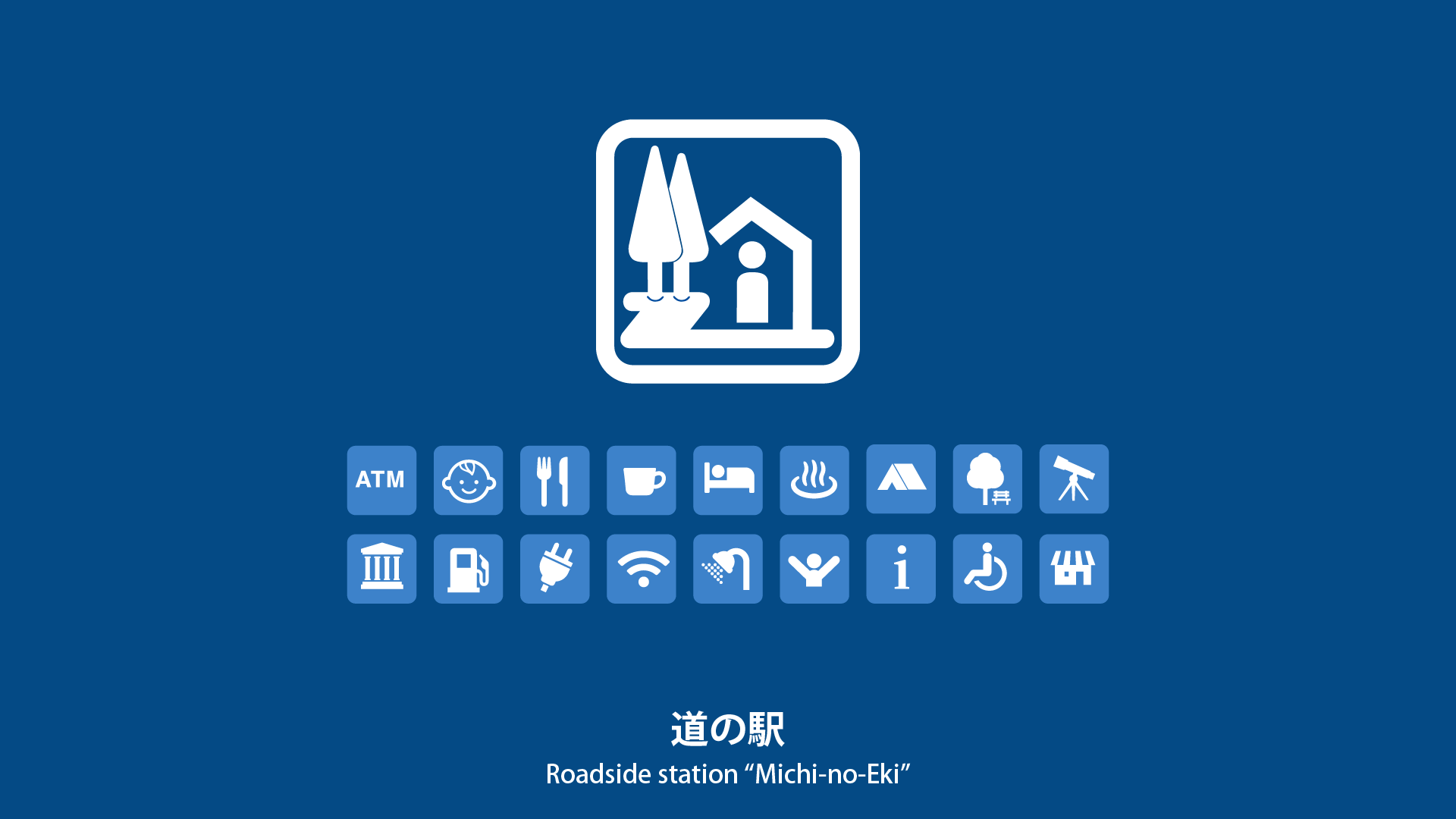
Some roadside stations are equipped not only with direct sales offices for agricultural products and restaurants but also with hot springs, foot baths, parks, observation facilities, museums, cultural facilities, experience facilities, and accommodation.
Seasonal festivals and events are held, and you can experience local agriculture, harvesting, and crafts unique to that area.
The things available there, the food you can eat, and the experiences you can have vary by region.
Instead of just seeing famous tourist spots, you can touch the local food, culture, and lifestyle from a slightly closer perspective to the people living there.
Such encounters with Japan also begin at roadside stations.
Roadside Stations as a Base for Exploring the Region
The charm of roadside stations is not limited to the facilities themselves.
Roadside stations gather various information for traveling in the region, including nearby tourist spots, nature, history, culture, and events.
There may be an old town just a little further ahead. There might be a small hot spring in the mountains. You could find long-established sake breweries, workshops, shrines, temples, farms, fishing ports, beautiful coastlines, and satoyama.
Once you learn about the area at a roadside station, consider venturing a bit further.
While roadside stations are facilities along the road, they are not necessarily places that can only be enjoyed by car.
Some roadside stations are adjacent to train stations or can be accessed by public transportation like buses. There are also places where you can use rental bicycles to explore nearby towns, countryside, and coastal areas.
By car, by bicycle, on foot, or using local public transport.
There are journeys where the roadside station is the destination, and others where it serves as an entry point to explore the surrounding area.
If you use roadside stations not just as 'places to take a break' but as bases for getting to know the region and delving into it, your enjoyment of Japan's countryside will expand even more.
Japan has many places yet to be discovered.
Tokyo, Kyoto, and Osaka are not the only places in Japan.
Across Japan, there are beautiful nature, history, unique food culture, traditions, festivals, craftsmanship, and the everyday lives of the people who live there.
Even if a place is not yet known worldwide, visiting it can turn it into an unforgettable destination.
The food you casually tried at a roadside station was delicious.
You found ingredients you had never seen before at the sales area.
You became curious about a place you learned about there and decided to take a little detour.
Along the way, you encountered unexpected scenery and people.
A place you hadn't planned to visit might become the most memorable part of your trip.
Such serendipitous encounters are part of the joy of traveling in Japan's local regions.
Japanfit-Tourism's 'Roadside Station Cover Selection' introduces roadside stations across the country and the local information they provide.
If you find a roadside station that interests you, be sure to visit. And don't end your journey there; look around the area as well.
Using the roadside station as an entry point, head to towns, villages, mountains, and the sea.
Eat local foods, buy local products, experience the culture, and meet people.
And then, on to the next region.
From Roadside Stations to Unknown Japan
Discover your own new journey in Japan starting from here.